Research the readings
Start with the liturgical day or selected passages and gather Christian preaching angles quickly.

Sermon Writer AI brings research, liturgical readings, outline review, pastoral editing, church context, and final export into one co-creative workflow. You remain the preacher; the tool helps carry the preparation load.
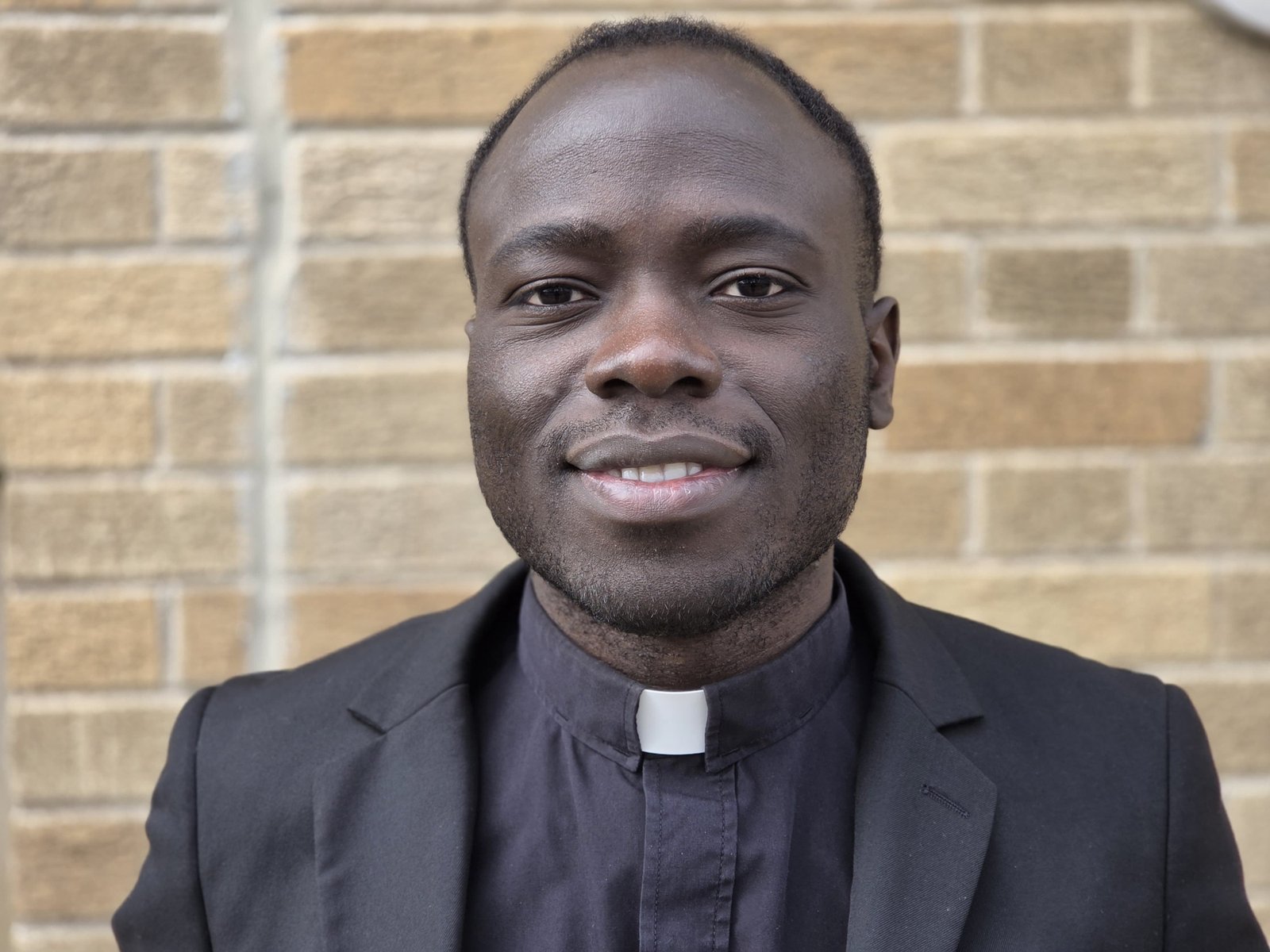 Written by Seminarian Giuseppe Njualem

Instead of hiding the preparation process behind one button, Sermon Writer AI gives you meaningful moments to review, redirect, and refine.
Start with the liturgical day or selected passages and gather Christian preaching angles quickly.
Shape the structure before a draft is written, so the message serves your people and your pastoral aim.
Generate a sermon draft that can reflect the readings, season, church setting, and chosen direction.
Request edits in plain language, keep polishing the voice, and download a pulpit-ready PDF.
Each feature is built around the practical rhythm of sermon preparation: text, theology, audience, delivery, and follow-through.
Move from scattered research to a focused preparation base in minutes. Deep Research Mode helps surface Christian themes, scriptural connections, patristic insights, magisterial context, and practical preaching directions.
Find the day, season, readings, feasts, and solemnities without leaving the writing flow.
Use multiple premium AI assistants inside the platform for brainstorming, theological reflection, and draft improvement.
Ask for targeted revisions like a stronger conclusion, a more pastoral tone, a clearer transition, or a better story.
Record or type church details, local concerns, demographics, and pastoral notes so the sermon can speak to real people.
Explore fresh preaching angles when the readings are rich but the central message has not yet come into focus.
Create story options that match the message of an existing sermon instead of feeling attached at the last minute.
Generate intercessions that harmonize with the readings, liturgical season, church concerns, and sermon theme.
Save, revisit, and export your sermons so preparation remains organized across weeks, seasons, and occasions.
The best sermon tools should understand the Church's language, sources, seasons, and pastoral purpose.
Patristic insight from voices such as Augustine, Chrysostom, Gregory, and other classic witnesses.
Preparation centered on the readings, liturgical year, feast days, sacraments, and Christian worship.
Support for catechetical clarity through the Catechism, papal teaching, and official Church documents.
Examples from saints and Christian tradition for concrete, memorable, spiritually grounded preaching.
Tools for shaping the sermon to the people in front of you, not only the passage on the page.
Outline review, thematic clarity, stronger introductions, transitions, conclusions, and calls to conversion.
Generic chatbots can help with isolated prompts. Sermon Writer AI is built around the actual Christian sermon workflow.
| Need | Sermon Writer AI | Generic AI | Manual-only workflow |
|---|---|---|---|
| Liturgical context | Built in | Must be supplied manually | Requires separate lookup |
| Christian preaching sources | Source-aware workflow | Variable and prompt-dependent | Strong but time intensive |
| Preacherly review points | Outline and editing flow | Manual prompt management | Fully manual |
| Church personalization | Congregation profiles | Repeated context entry | Personal but not automated |
| Supporting liturgical materials | Stories and intercessions | Separate prompts | Separate preparation time |
| Saved archive and export | History and PDF tools | Outside the chatbot | Depends on your own system |
Short answers to the practical concerns that come up before trying a Christian sermon writing tool.
No. The workflow is built so the preacher reviews research, shapes the outline, requests edits, and gives the final sermon its pastoral judgment and voice.
Yes. You can work from the preaching calendar or bring your own passages, pastoral theme, church context, and preferred direction.
No. The tools support Sundays, weekdays, feast days, weddings, funerals, baptisms, First Communion, confirmation, graduation, and other Christian occasions.
Start with the readings, bring in Christian research, shape the outline, refine the voice, and leave with a draft you can truly preach.